
Two businesses, one domain, one panel. DWG Group manages products, services, and content for both irrigation and climate control — separate visual identities and navigation per segment — all from one WordPress backend.
DesignAgência Ade!
View live project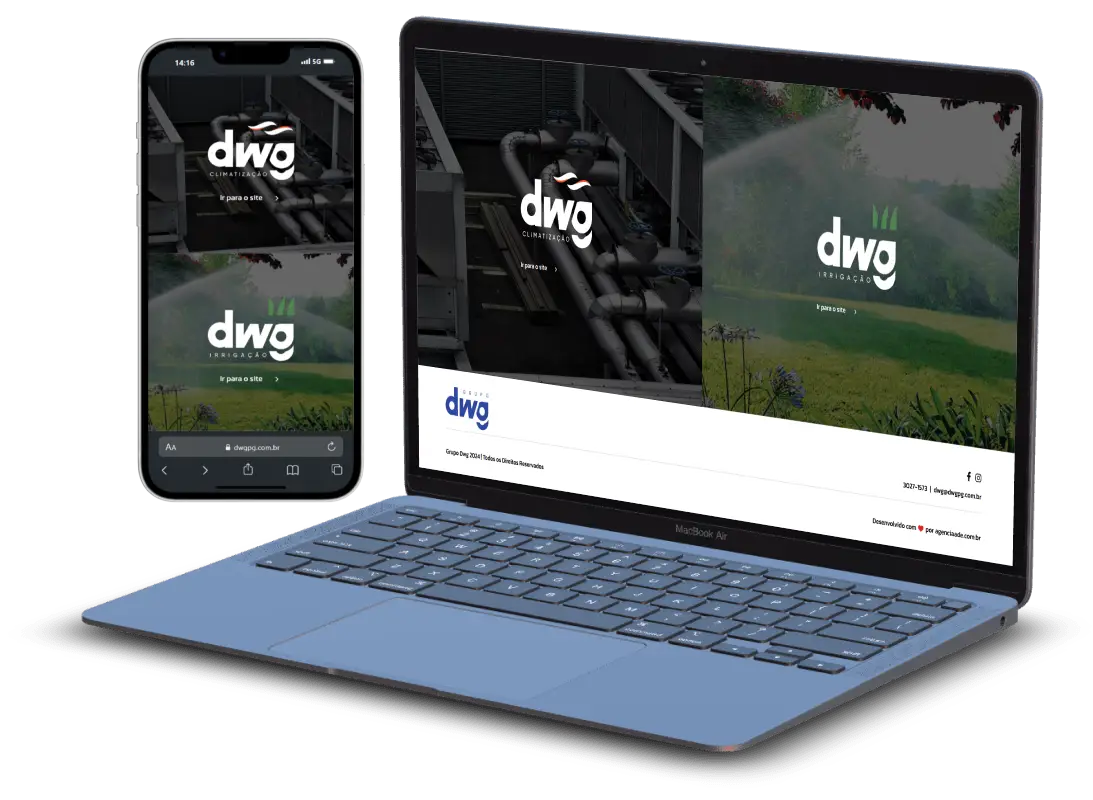
01
Overview
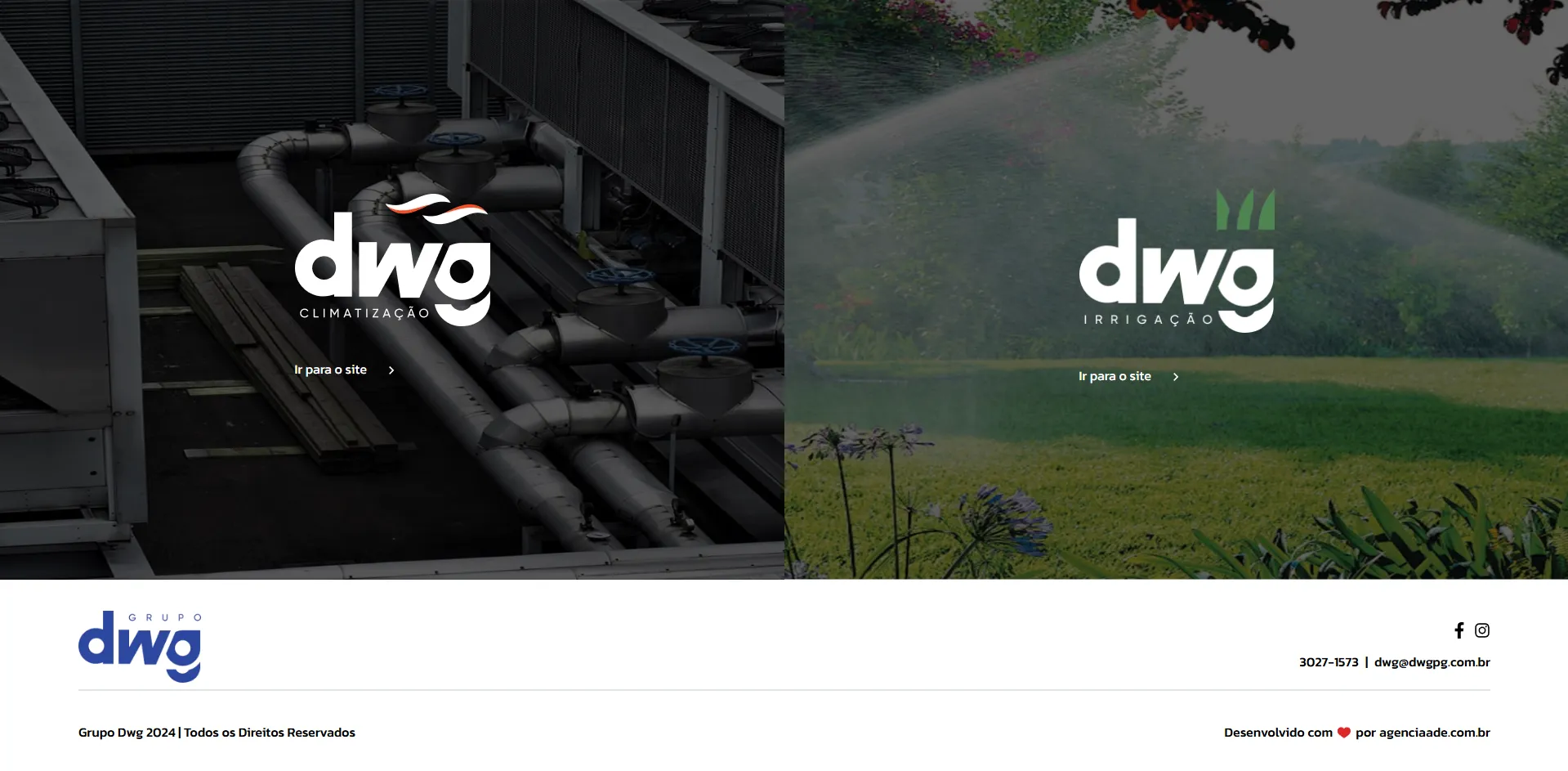
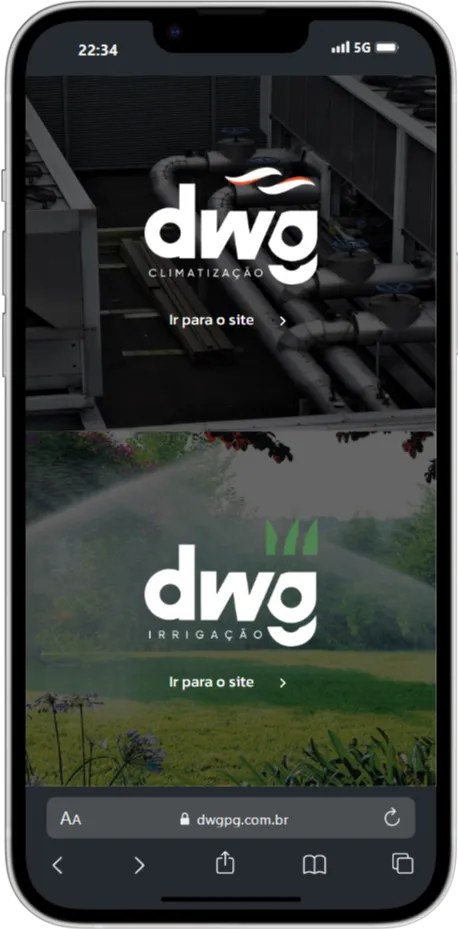
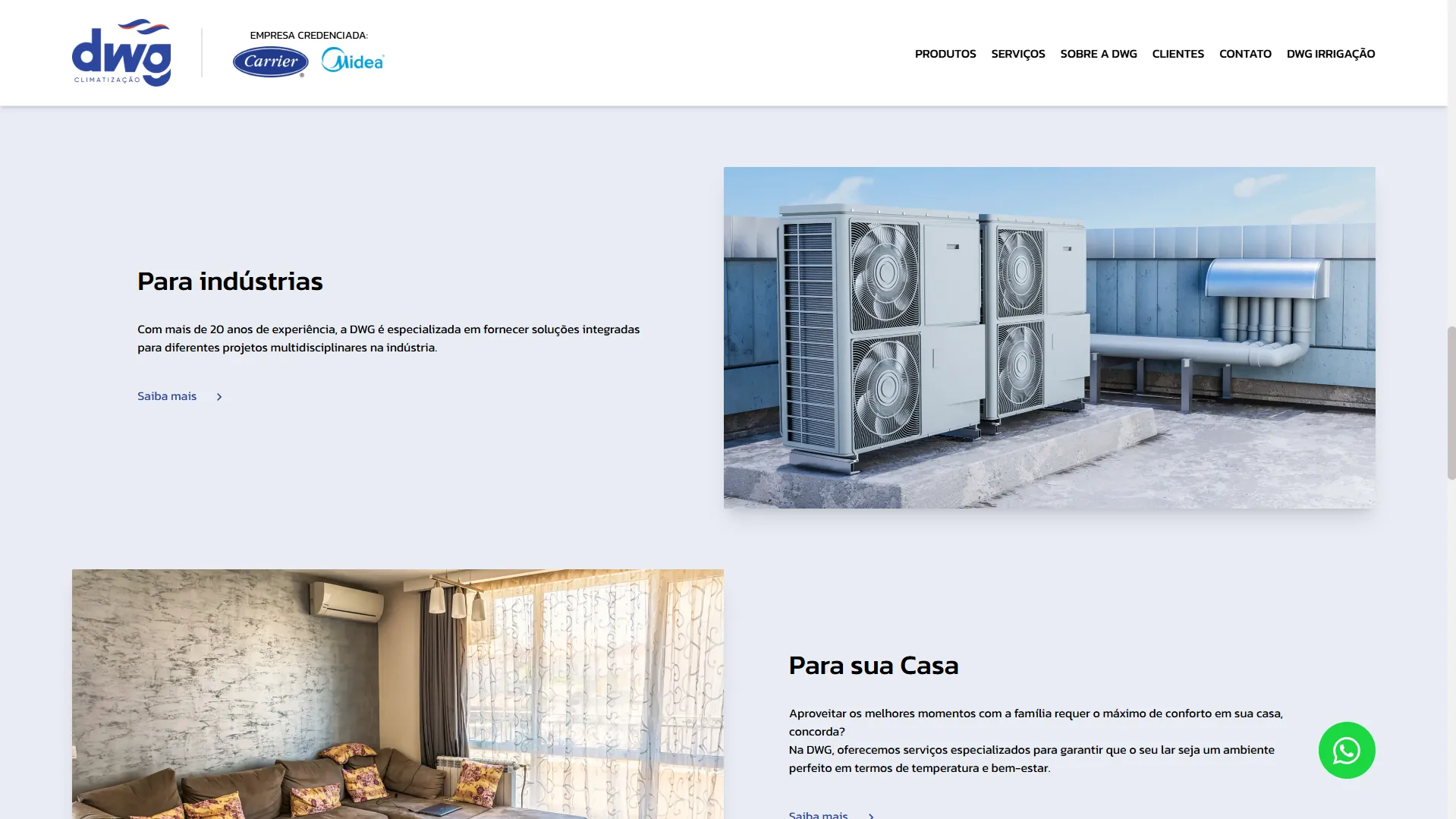
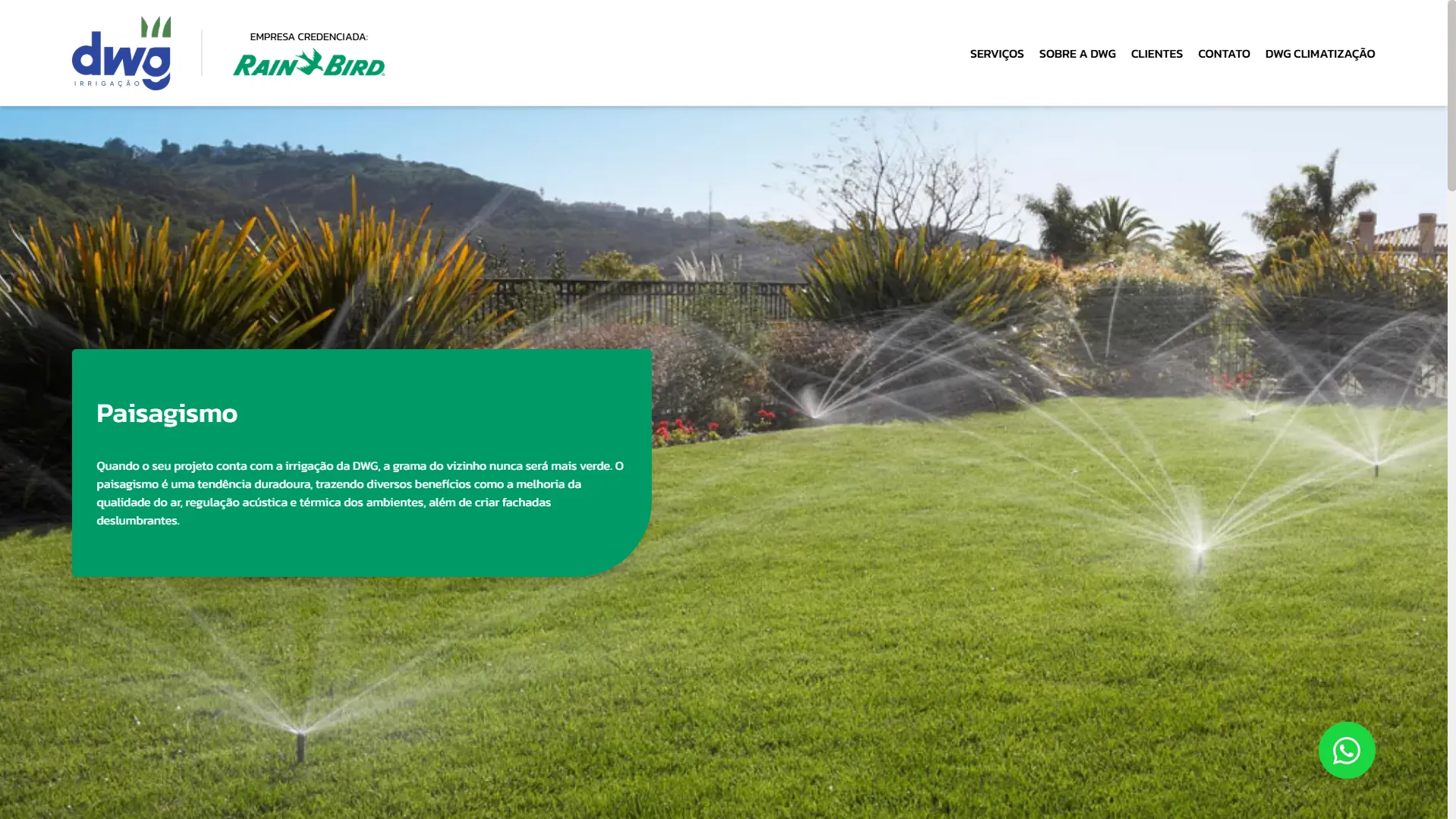
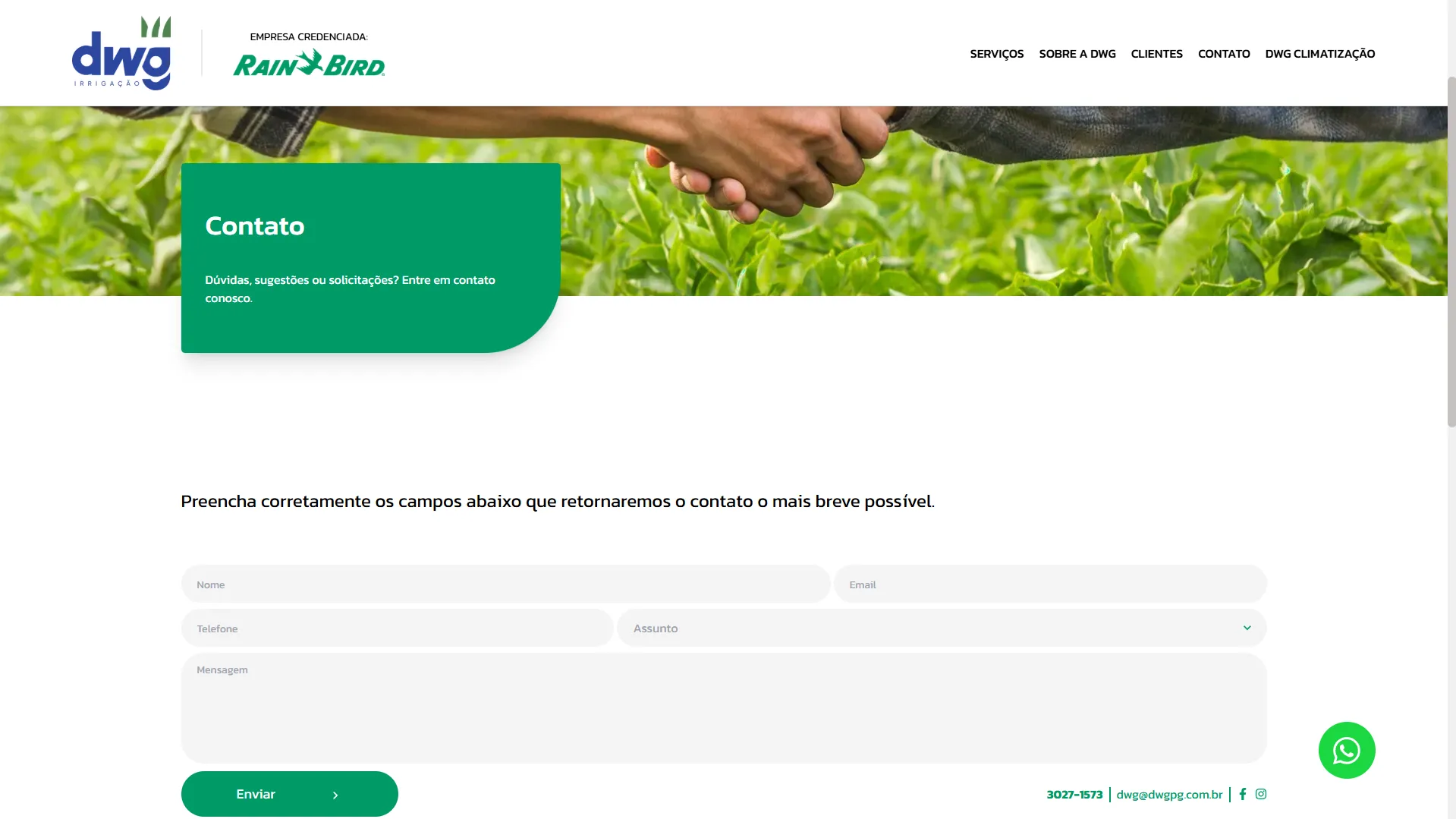
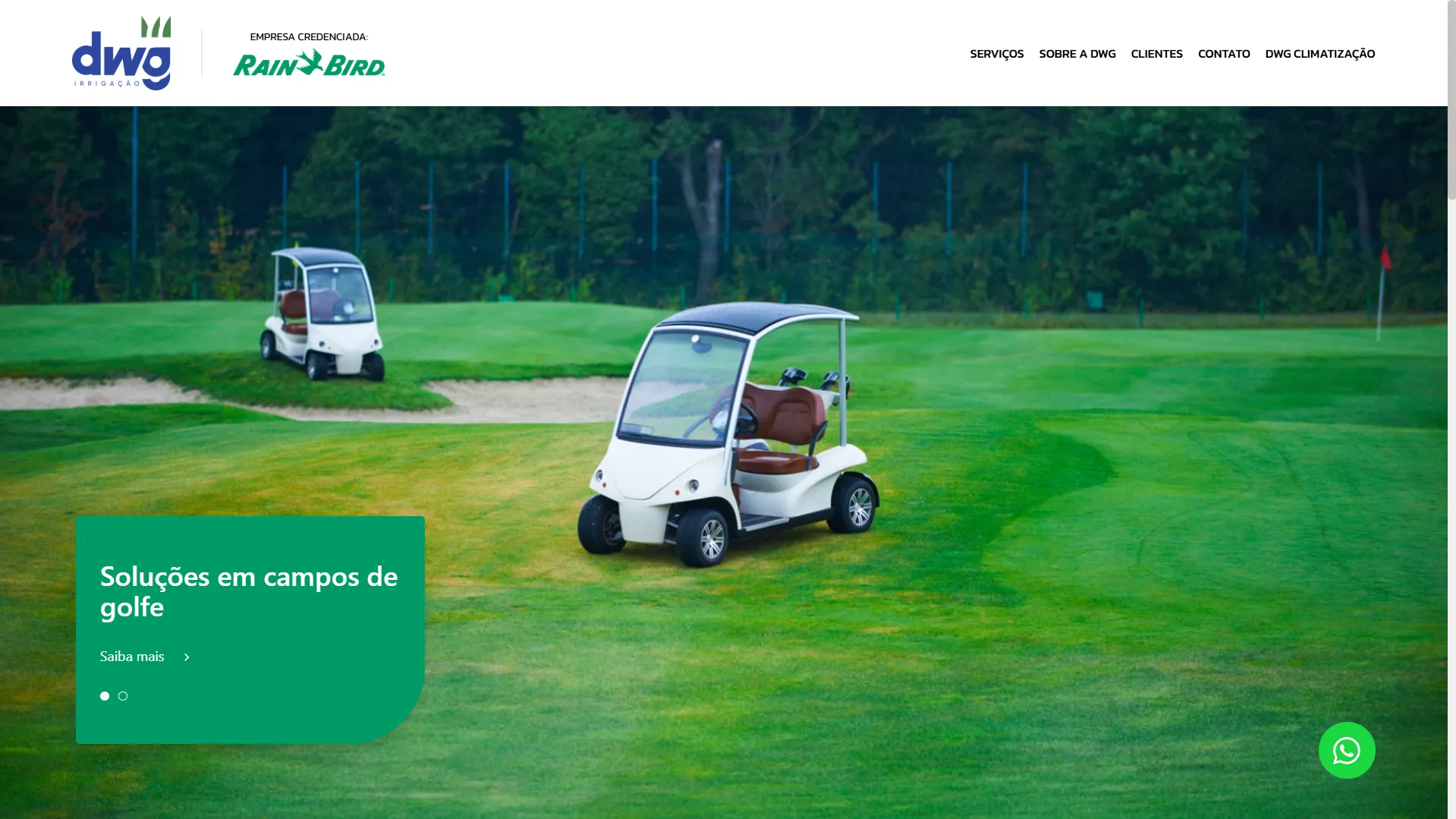
DWG Group is a company operating in two distinct segments: irrigation and climate control. The website needed to communicate each area with its own visual identity, separate navigation, and independent content — working in practice as two projects within the same domain.
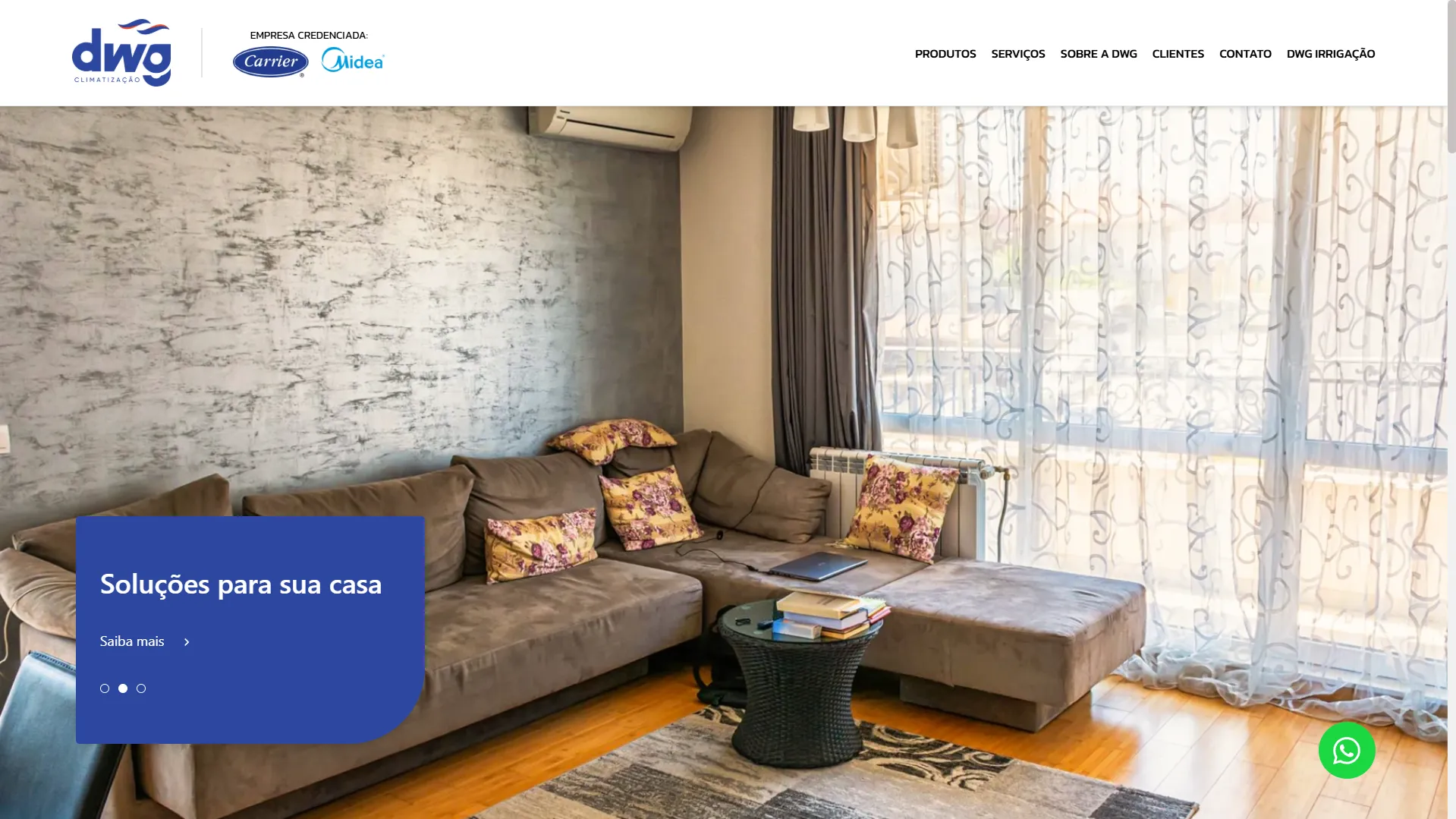
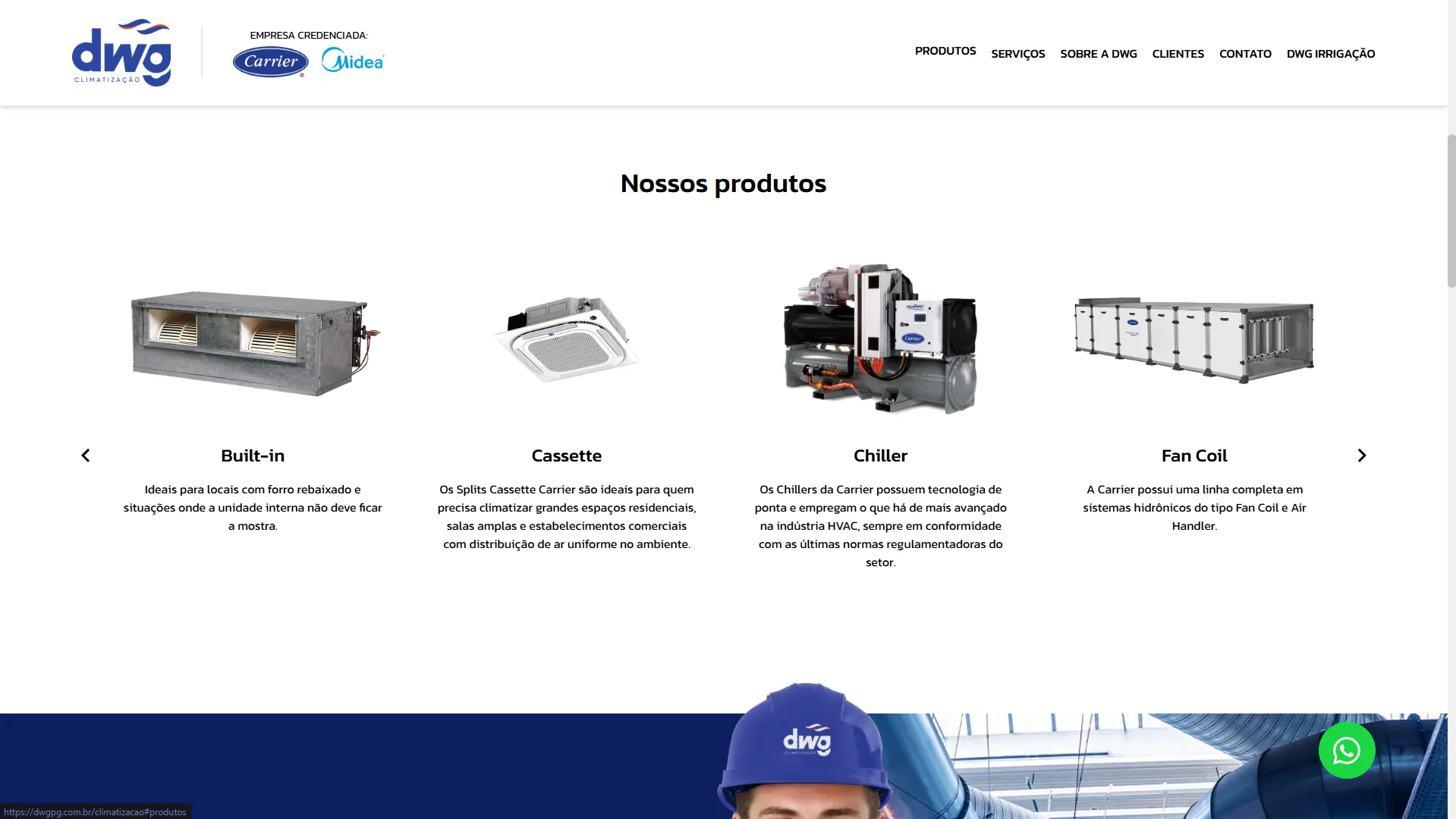
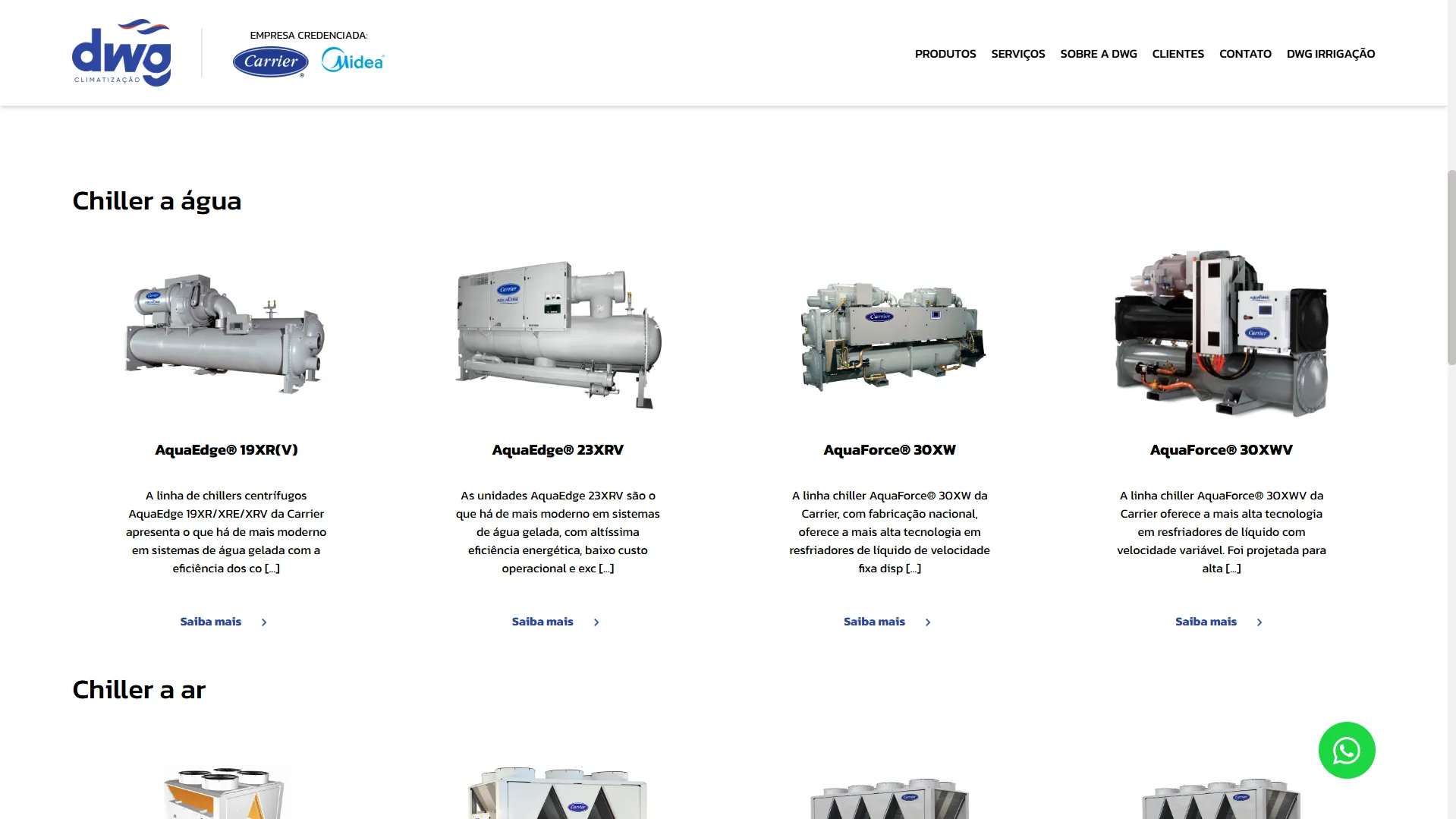
The climate control section includes pages for products organized into well-defined categories, with a detail page for each item, plus service sections and institutional pages. The irrigation section follows a similar structure but focuses exclusively on services — no products.
Given the scope, it was essential to develop a system that allowed components to be shared between both layouts without compromising the unique characteristics of each segment — two projects within the same domain, from a single codebase.
02
Challenge
The central challenge was architectural: how to separate two experiences with distinct identities and navigation without duplicating code or creating a hard-to-maintain structure? The partial overlap in components — product pages exist in climate control but not in irrigation, service structures are shared with variations — required a system that enabled reuse without coupling.
The WordPress integration added another layer: climate control products needed to reach the front-end already organized by category, which isn't default WordPress API behavior. Custom PHP endpoints were needed to return data already structured the way the site expected it.
03
Solution
The project was structured with two independent layouts inside Next.js, each with its own theme, navigation, and route logic — isolated enough to evolve separately, but sharing components where genuine reuse made sense. The distinction was made case by case, not as a blanket rule.
Custom PHP endpoints in WordPress return products already categorized, reducing organizational logic in the front-end and keeping the CMS as the single source of truth. The DWG team manages products, services, and institutional content for both segments through the same WordPress panel.